 Reviews


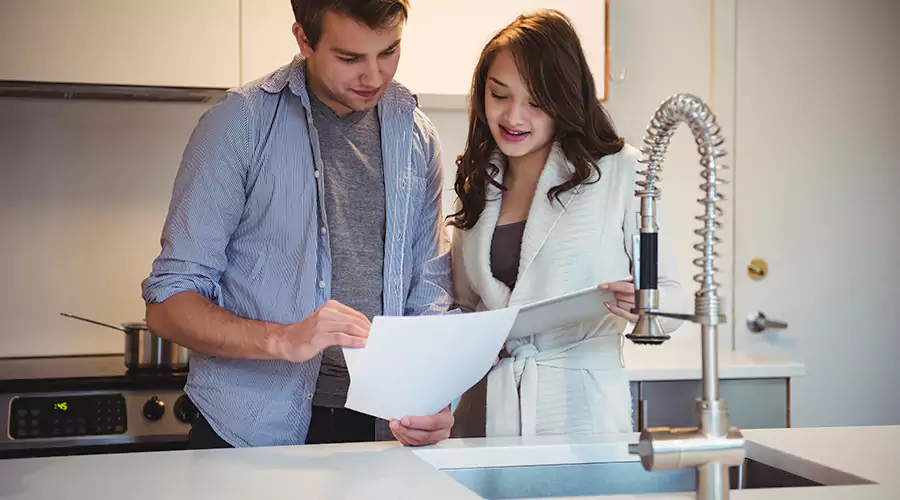
For many households, water costs rank among the top monthly utility expenses alongside electricity and gas. The encouraging part is that most homes waste a significant amount of water every single day through habits and fixtures that are easy to change.
Reducing water waste does not mean sacrificing comfort. Small, practical changes to how your household uses water add up to meaningful savings on your bill every single month.
How Much Water Does the Average American Household Use?
Understanding your baseline helps you identify where the biggest savings opportunities exist.
According to the U.S. Environmental Protection Agency, the average American family uses more than 300 gallons of water per day at home. Roughly 70 percent of that usage happens indoors, with the bathroom accounting for the largest share by far.
Breaking that down further reveals where water goes most:
- Toilets: 24 percent of indoor water use
- Showers and baths: 20 percent
- Faucets: 19 percent
- Washing machines: 17 percent
- Leaks: 12 percent
- Other uses: 8 percent
Targeting the highest usage areas first delivers the fastest and most noticeable reduction in your water bill.
Fix Leaks Before Anything Else
Addressing leaks in your home is the single most impactful step you can take before changing any habits or upgrading any fixtures.
A dripping faucet that releases one drop per second wastes more than 3,000 gallons of water every year. A running toilet can waste between 200 and 7,000 gallons per day depending on the severity of the leak. Most homeowners have no idea these losses are happening because neither the drip nor the silent toilet leak is immediately obvious.
Checking every faucet in the home for drips, listening for a toilet that runs continuously after flushing, and inspecting supply lines under sinks for moisture catches the most common sources of household water waste quickly.
Repairing a dripping faucet typically costs less than $30 in parts for a DIY fix. The water savings that follow immediately offset that small investment many times over throughout the year.
Upgrade to Water-Efficient Fixtures
Install Low-Flow Shower Heads
Replacing a standard shower head with a WaterSense certified low-flow model reduces shower water usage by up to 40 percent without noticeably affecting pressure or comfort. Standard shower heads deliver 2.5 gallons per minute or more. WaterSense models cap flow at 2.0 gallons per minute while maintaining a satisfying shower experience.
For a household where two people shower daily for eight minutes each, switching to a low-flow shower head saves more than 5,000 gallons of water per year.
Switch to a Low-Flow Toilet
Older toilets manufactured before 1994 use between 3.5 and 7 gallons per flush. Modern WaterSense certified toilets use 1.28 gallons per flush or less, cutting toilet water consumption by more than half without any reduction in performance.
Replacing even one old toilet in a household of four saves tens of thousands of gallons of water annually. For homeowners not ready to replace a toilet entirely, installing a dual-flush conversion kit achieves similar savings at a fraction of the cost.
Add Faucet Aerators
Screwing a simple faucet aerator onto kitchen and bathroom faucets reduces water flow from the standard 2.2 gallons per minute to 1.0 or 1.5 gallons per minute. Aerators mix air into the water stream, maintaining strong pressure while significantly reducing the actual volume of water used.
At about $5 per aerator, this upgrade delivers one of the highest returns on investment of any water-saving measure available to homeowners.
Change Daily Water Habits
Shorten Shower Time
Cutting the average shower by just two minutes saves approximately 10 gallons of water per shower. For a household of four people showering daily, that reduction adds up to more than 14,000 gallons saved every year.
Placing a small waterproof timer in the shower keeps everyone in the household aware of how long they have been running the water. Making this a household habit rather than a one-time effort compounds the savings consistently month after month.
Turn Off the Faucet While Brushing Teeth
Leaving the faucet running while brushing teeth wastes up to 8 gallons of water per brushing session. Turning it off after wetting the brush and turning it back on only for rinsing eliminates that waste entirely.
Applied across a household of four people brushing twice daily, this single habit change saves more than 23,000 gallons of water per year at essentially zero effort or cost.
Run Full Loads in the Dishwasher and Washing Machine
Both dishwashers and washing machines use roughly the same amount of water whether they are full or half empty. Waiting until each appliance carries a full load before running it maximizes the efficiency of every cycle.
Selecting the appropriate load size setting on washing machines that offer this option also prevents the machine from filling with more water than the load actually requires.
Wash Dishes Efficiently
Rinsing dishes under a running faucet before loading the dishwasher wastes a surprising amount of water. Scraping food scraps into the trash and loading dishes directly into the dishwasher without pre-rinsing saves water and relies on the machine to do the cleaning work it was designed for.
Washing dishes by hand uses far more water than a modern dishwasher when done under a running tap. Filling one basin with soapy water and another with rinse water limits consumption to a fixed volume rather than allowing it to run continuously throughout the task.
Make Smart Outdoor Water Changes
Water the Lawn at the Right Time
Watering grass and plants during the hottest part of the day causes significant water loss through evaporation before moisture even reaches the root zone. Watering early in the morning before temperatures rise or in the evening after they drop delivers water directly to where plants need it most.
Most lawns require only one inch of water per week including rainfall. Placing a rain gauge in the yard and accounting for natural precipitation prevents overwatering, which wastes water and actually harms grass and plants over time.
Install a Smart Irrigation Controller
Replacing a standard irrigation timer with a smart irrigation controller automatically adjusts watering schedules based on local weather data, soil moisture levels, and seasonal changes. These devices prevent irrigation systems from running during or after rainfall and reduce outdoor water use by up to 50 percent compared to conventional timers.
Many water utility companies offer rebates for homeowners who install smart irrigation controllers, reducing the upfront cost of the upgrade significantly.
Check the Irrigation System for Leaks
A single broken sprinkler head or a cracked irrigation line wastes thousands of gallons of water every month without producing any visible standing water. Walking the irrigation zones while the system runs and looking for unusually wet patches, misting heads, or puddles identifies leaks that are easy to miss during casual observation.
Fixing a broken sprinkler head costs between $5 and $15 for a DIY repair and eliminates ongoing waste immediately.
Collect Rainwater for Garden Use
Installing a rain barrel at the base of a downspout captures rainwater that would otherwise run off into storm drains. Using collected rainwater to water garden beds, potted plants, and shrubs reduces reliance on municipal water supply for outdoor irrigation.
Rain barrels are inexpensive, widely available, and legal in most states. Connecting one to each downspout on the property maximizes the volume of free water available for outdoor use throughout the growing season.
Upgrade to Water-Efficient Appliances
Choose ENERGY STAR Certified Washing Machines
Front-loading and high-efficiency top-loading washing machines carrying the ENERGY STAR certification use significantly less water per cycle than older conventional models. High-efficiency machines use as little as 14 gallons per load compared to 40 or more gallons for older top-loaders.
Replacing an aging washing machine with an ENERGY STAR certified model saves both water and electricity with every cycle, reducing two utility bills simultaneously.
Upgrade to a Tankless Water Heater
Standard tank water heaters keep a large volume of water heated continuously, which means water sometimes runs for a minute or longer before reaching the desired temperature at a distant fixture. All that cold water running down the drain while waiting for hot water adds up to thousands of wasted gallons every year, making regular plumbing maintenance important to improve efficiency and reduce water waste.
A tankless water heater delivers hot water on demand without the wait, eliminating the cold water runoff that conventional tanks produce. Installing a recirculation pump on a tank water heater achieves a similar result by keeping hot water ready at every fixture without running the tap.
Monitor Your Water Usage
Read Your Water Meter Regularly
Checking your water meter once a week and recording the reading creates a simple usage log that highlights unexpected spikes. A sudden increase in consumption with no corresponding change in household habits often points to a hidden leak somewhere in the system.
Performing a basic leak check by reading the meter, avoiding all water use for two hours, and reading it again reveals whether water is flowing anywhere in the home when no fixtures are in use.
Install a Smart Water Monitor
Whole-home smart water monitors install on the main supply line and track water usage in real time through a smartphone app. These devices detect unusual flow patterns, alert you to potential leaks, and provide detailed breakdowns of where water is being consumed throughout the home.
Several insurance companies offer premium discounts for homes equipped with smart water monitoring systems, making the investment financially beneficial beyond just the water savings.
When to Call a Licensed Plumber?
Handling simple fixes like replacing faucet aerators, installing low-flow shower heads, and fixing a dripping faucet is well within reach for most homeowners. Professional help becomes the right call when:
- A running toilet continues after replacing the flapper and fill valve
- Hidden leaks are suspected based on meter readings or rising water bills
- Upgrading to a tankless water heater or recirculation pump requires professional installation
- Irrigation system leaks are difficult to locate or repair without specialized equipment
- Older plumbing fixtures need full replacement as part of a broader efficiency upgrade
A licensed plumber identifies hidden waste, recommends the most cost-effective efficiency upgrades for your specific home, and ensures all installations meet local plumbing codes.
Summary
Lowering your water bill starts with finding and fixing leaks, then moves on to upgrading fixtures, adjusting daily habits, and making smarter choices outdoors.
Fixing dripping faucets and running toilets delivers immediate savings at minimal cost. Upgrading to WaterSense certified shower heads, low-flow toilets, and faucet aerators reduces consumption significantly without affecting comfort or convenience.
Shorter showers, full appliance loads, early morning irrigation, and turning off the tap while brushing teeth are habits that cost nothing to adopt and produce real savings every single month.